
Impact Driver vs. Cordless Drill: Which One Do You Really Need?
Introduction
If you’ve ever walked down the power tool aisle at your local hardware store, you’ve likely been bombarded with choices. Two of the most common—and often confused—tools are the cordless drill and the impact driver. They look similar, often use the same batteries, and both spin bits. But do you really need both? In this guide, we’ll break down the key differences, pros and cons, and help you decide which one belongs in your toolbox.
What is a Cordless Drill?
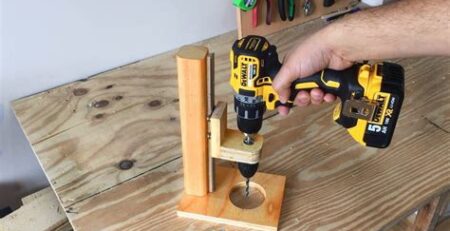
The cordless drill is the jack-of-all-trades. It has a keyless chuck (usually 3/8″ or 1/2″) that accepts a wide variety of round and hex-shank bits. It offers adjustable speed and torque settings (via a clutch), making it versatile for everything from drilling delicate holes in wood to driving screws into drywall without over-sinking them.
Best Uses for a Drill
- Drilling holes in wood, metal, and plastic.
- Driving screws with precision (thanks to the clutch).
- Using hole saws or spade bits.
- Light-duty mixing (paint, grout).
What is an Impact Driver?
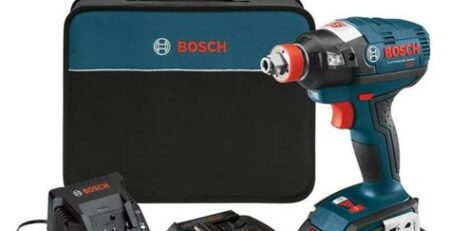
An impact driver is a torque beast. Instead of a chuck, it uses a 1/4″ hex collet that only accepts hex-shank bits. It works by using a concussive force (impact) alongside rotation. When the tool encounters resistance, it “impacts” in the direction of rotation, delivering massive torque to drive fasteners effortlessly.
Best Uses for an Impact Driver
- Driving long deck screws or lag bolts.
- Fastening in dense hardwoods or pressure-treated lumber.
- Removing stuck or rusted bolts.
- Working in tight spaces (they are usually more compact).
Head-to-Head Comparison
1. Power and Torque
The impact driver wins hands down here. While a drill provides constant torque, an impact driver delivers bursts of high torque. This means an impact driver can drive a 6-inch lag bolt without twisting your wrist, whereas a drill might stall or kick back.
2. Precision
The cordless drill takes the crown for precision. The variable speed trigger and adjustable clutch allow you to drive a screw exactly flush with the surface. An impact driver is raw power—it’s easy to overdrive or strip a screw if you aren’t careful.
3. Versatility
Drills are more versatile because of the chuck. You can use round shank drill bits, sanding drums, wire wheels, and more. Impact drivers are limited to hex-shank accessories.
Which One Should You Buy?
If you are a DIY beginner and can only buy one tool, get the cordless drill. It can do 90% of what a homeowner needs: hang pictures, assemble IKEA furniture, and drill holes for repairs.
If you are planning a deck build, renovation, or heavy carpentry, you absolutely need an impact driver. It will save you time, effort, and stripped screws.
Conclusion
Ideally, you should own both. Manufacturers often sell them in “combo kits” for a reason—they complement each other perfectly. Use the drill for making holes and the impact driver for driving screws. But if you have to choose, assess your typical projects. Delicate and varied? Drill. Heavy and repetitive? Impact driver.
Whatever you choose, invest in a quality brand with a reliable battery platform. Your wrists will thank you!







Leave a Reply