
Drill Bits Explained: Which Bit for Wood, Metal, or Concrete?
Introduction
You bought a drill, and it came with a handful of random bits. Now you need to hang a shelf on a brick wall, or build a wooden deck. Grab the wrong bit, and you’ll ruin the bit, the material, or even the drill. Understanding drill bit geometry and materials is key to successful DIY.
1. Twist Bits (General Purpose)
Look for: The classic spiral shape. Usually black oxide, gold (titanium coating), or silver (cobalt/steel).
Best for: Wood, plastic, light metal.
Tip: Black oxide is cheap but dulls fast. Titanium (TiN) lasts longer. Cobalt is essential for drilling hard metals like stainless steel.
2. Brad Point Bits (Wood Only)
Look for: A sharp spike (W-shape) at the tip.
Best for: Precision wood drilling.
Why: The spike centers the bit instantly so it doesn’t “walk” or wander. The outer spurs cut the wood fibers cleanly, leaving a neat hole.
3. Masonry Bits (Concrete/Brick)
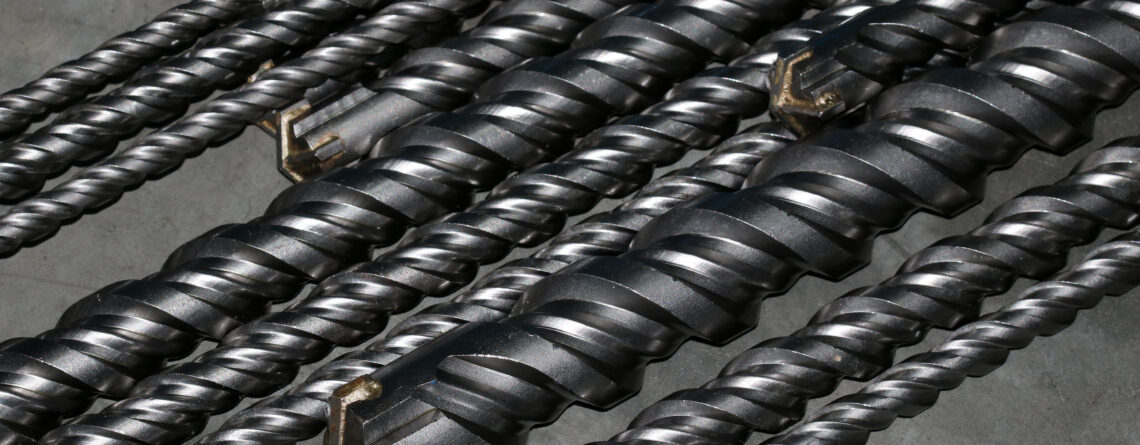
Look for: A wide, flat “paddle” tip made of carbide brazed onto the steel shaft. Often silver or grey.
Best for: Concrete, brick, stone, stucco.
Must use: Hammer mode on your drill. The hammering action pulverizes the stone while the bit scoops out the dust. Never use these on wood or metal.
4. Spade / Paddle Bits (Large Wood Holes)
Look for: A flat, paddle-shaped blade with a center point.
Best for: Rough holes in wood (e.g., running wires through studs).
Tip: They tear out the wood on the exit side. To avoid this, drill until the point pokes through, then stop and finish from the other side.
5. Forstner Bits (Clean, Flat-Bottom Holes)
Look for: A circular rim with a center point.
Best for: Cabinet hinges, large diameter holes in fine woodworking.
Why: They cut incredibly smooth, flat-bottomed holes. They create a lot of friction, so go slow to avoid burning the wood.
6. Step Bits (Sheet Metal)
Look for: A cone shape with stepped ridges.
Best for: Thin sheet metal, electrical boxes.
Why: One bit can drill multiple hole sizes just by drilling deeper. They don’t grab the thin metal like a twist bit does.
7. Glass and Tile Bits
Look for: A spear-point tip (carbide).
Best for: Ceramic tile, glass.
Tip: Use water to keep the bit cool and prevent the tile from cracking. Go slow and use zero hammer action.
Summary Table
| Material | Recommended Bit |
|---|---|
| Soft Wood | Twist, Brad Point, Spade |
| Hard Metal | Cobalt Twist Bit |
| Concrete/Brick | Masonry (Carbide Tip) |
| Tile | Spear Point (Carbide) |
Conclusion
Using the right bit makes the job easier and the result professional. Start with a good set of HSS (High-Speed Steel) twist bits and a set of masonry bits. Add specialty bits like Forstner or Spade bits as your projects demand them.







Leave a Reply